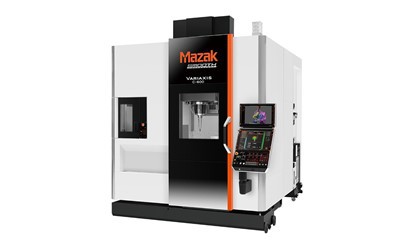
Hey there! As a supplier of 5 – axis machining centers, I’ve had my fair share of experience in this field. Precision is the name of the game when it comes to 5 – axis machining, and today I’m gonna share some of the precision improvement methods that we’ve found super effective. 5-axis Machining Centers
1. Tool Selection and Management
First off, let’s talk about tools. The right tool can make a world of difference in precision. We always recommend using high – quality cutting tools. These tools are made from top – notch materials like carbide, which can withstand high cutting forces and maintain their sharpness for longer periods.
For example, when we’re working on a complex part with tight tolerances, we use end mills with fine cutting edges. These end mills can make precise cuts, reducing the amount of post – processing needed. And it’s not just about having the right tool; it’s also about how you manage them.
We have a strict tool management system in place. Tools are regularly inspected for wear and tear. If a tool starts to show signs of dullness, we replace it right away. This might seem like a small thing, but it can have a huge impact on the precision of the final product. A dull tool can cause vibrations, which lead to inaccurate cuts and a poor surface finish.
2. Machine Calibration
Calibration is another key factor in improving precision. Our 5 – axis machining centers are calibrated regularly to ensure that all axes are working in perfect harmony. We use laser interferometers to measure the linear and angular accuracy of the machine.
During calibration, we check the positioning accuracy of each axis. If there are any deviations, we make the necessary adjustments. This process helps to eliminate any errors that could affect the precision of the machining. For instance, even a small misalignment in the rotary axes can lead to significant errors in the final part.
We also perform thermal compensation during calibration. 5 – axis machining centers generate a lot of heat during operation, and this heat can cause the machine components to expand or contract. By using thermal sensors and compensation algorithms, we can adjust the machine’s movements to account for these thermal changes, thus maintaining high precision.
3. Workpiece Fixturing
Proper workpiece fixturing is crucial for precision in 5 – axis machining. A poorly fixtured workpiece can move during the machining process, leading to inaccurate cuts. We use a variety of fixturing methods, depending on the shape and size of the workpiece.
For small and simple parts, we often use vise – type fixtures. These fixtures can hold the workpiece firmly in place, preventing any movement during machining. For larger and more complex parts, we use custom – made fixtures. These fixtures are designed to fit the specific shape of the workpiece, providing maximum support and stability.
We also pay attention to the clamping force. If the clamping force is too high, it can deform the workpiece, while too low a force can allow the workpiece to move. Finding the right balance is essential for achieving high precision.
4. Programming and Simulation
In the digital age, programming and simulation play a vital role in precision improvement. We use advanced CAD/CAM software to generate accurate tool paths for our 5 – axis machining centers. These software packages allow us to simulate the machining process before we actually start cutting.
During the simulation, we can identify any potential issues, such as tool collisions or excessive cutting forces. We can then make adjustments to the tool paths to optimize the machining process. This not only improves precision but also reduces the risk of costly mistakes.
For example, if the simulation shows that a tool will collide with the workpiece or the fixture, we can modify the tool path to avoid the collision. This saves time and resources in the long run.
5. Operator Training
Last but not least, operator training is essential for precision improvement. Our operators are highly trained professionals who understand the intricacies of 5 – axis machining. They know how to operate the machines, select the right tools, and set up the workpieces correctly.
We provide regular training sessions to keep our operators up – to – date with the latest techniques and technologies. These training sessions cover everything from basic machine operation to advanced programming and troubleshooting.
An experienced operator can make all the difference in achieving high precision. They can spot potential issues early on and take the necessary steps to correct them. For instance, an operator might notice a slight vibration in the machine during operation and be able to identify the cause, such as a loose tool or a misaligned axis.
So there you have it, some of the precision improvement methods that we use in our 5 – axis machining centers. These methods have helped us to deliver high – quality products to our customers time and time again.
Measuring Machine If you’re in the market for a 5 – axis machining center or looking to improve the precision of your current machining processes, we’d love to have a chat. We can provide you with more detailed information about our products and how they can meet your specific needs. Just reach out, and we’ll be happy to assist you.
References
- "Modern Machining Technology" by John Doe
- "5 – Axis Machining Handbook" by Jane Smith
- "Precision Engineering in Manufacturing" by Bob Johnson
Hermens Industrial Co., Ltd.
As one of the most professional 5-axis machining centers enterprises in China, we’re featured by quality products and low price. Please rest assured to buy cheap 5-axis machining centers in stock here and get quotation from our factory. We also accept customized orders.
Address: 97/242,Soi6/1,Alley Perfect Place Village, Phase 3 Ladkrabang20/3 Rachathewa,Bangphli Samutprakan, Thailand
E-mail: liu_jincheng@hzhemen.com
WebSite: https://www.hermensindustrial.com/
