Aircraft engines are marvels of modern engineering, where every component plays a crucial role in ensuring optimal performance, efficiency, and safety. Among these components, aircraft engine seals may seem like small parts, but they are of great significance in contributing to the engine’s responsiveness. As an aircraft engine seal supplier, I’ve witnessed firsthand the impact these seals have on engine operation, and I’m excited to delve into the details of how they enhance engine responsiveness. Aircraft Engine Seal

The Basics of Aircraft Engine Seals
Before we discuss how engine seals contribute to responsiveness, it’s essential to understand what they are and their primary functions. Aircraft engine seals are designed to prevent the leakage of fluids, such as oil and fuel, as well as gases, within the engine. They are used in various locations, including the compressor, turbine, and accessory sections of the engine.
There are different types of seals used in aircraft engines, each with its own specific design and purpose. For example, labyrinth seals use a series of grooves and teeth to create a tortuous path for the fluid or gas, minimizing leakage. Piston seals are used in reciprocating engines or in some hydraulic systems within the engine to prevent fluid leakage. And carbon seals are often employed in high – temperature and high – speed applications due to their excellent wear and heat resistance properties.
Maintaining Optimal Pressure and Temperature
One of the key ways aircraft engine seals contribute to engine responsiveness is by maintaining optimal pressure and temperature within the engine. In an aircraft engine, different sections operate at specific pressures and temperatures to ensure efficient combustion and power generation.
Seals prevent the leakage of high – pressure gases from the combustion chamber and the turbine section. If these gases were to leak, it would result in a loss of pressure, which in turn would reduce the engine’s thrust and efficiency. By keeping the pressure within the desired range, seals allow the engine to respond quickly to changes in throttle settings. When the pilot increases the throttle, the engine can generate more power rapidly because the seals have maintained the necessary pressure for efficient combustion.
Similarly, seals help in managing the temperature of the engine. They prevent hot gases from leaking into areas where they can cause damage to sensitive components. For instance, in the turbine section, seals keep the hot gases flowing through the turbine blades, where they can extract energy and convert it into mechanical power. If the hot gases were to leak past the seals and reach other parts of the engine, it could cause overheating, leading to component failure and a decrease in engine responsiveness.
Reducing Friction and Wear
Another important aspect of engine responsiveness is the smooth operation of moving parts. Aircraft engine seals play a vital role in reducing friction and wear between these parts. Many seals are designed with a low – friction material that allows them to move smoothly against other surfaces.
In the compressor section of the engine, for example, seals prevent oil from leaking into the air intake. This not only ensures clean air for combustion but also reduces the friction between the compressor blades and the surrounding housing. Less friction means that the compressor can spin more freely, allowing the engine to respond more quickly to changes in air demand.
Moreover, seals protect the mating surfaces from wear. They act as a barrier between different parts, preventing direct contact and reducing the damage caused by abrasion. By minimizing wear, seals help maintain the precise clearances between moving parts, which is essential for the engine to operate efficiently and respond promptly to control inputs.
Enhancing Lubrication Efficiency
Lubrication is critical for the proper functioning of an aircraft engine. Engine seals help in enhancing the efficiency of the lubrication system. They prevent the leakage of lubricating oil, ensuring that the oil reaches all the necessary components in the engine.
In the bearings and gears of the engine, a continuous supply of clean oil is required to reduce friction and dissipate heat. Seals prevent the oil from leaking out of the lubrication circuit, which could lead to dry running and premature failure of these components. When the lubrication is efficient, the engine’s moving parts can operate smoothly, improving the overall responsiveness of the engine.
For example, in a high – performance aircraft engine, the seals in the oil system ensure that the oil pressure is maintained at the correct level. This allows the oil to be distributed evenly to all the bearings, reducing the risk of bearing failure and ensuring that the engine can respond quickly to changes in load and speed.
Ensuring Fuel System Integrity
The fuel system is another area where aircraft engine seals are crucial for engine responsiveness. Seals in the fuel system prevent fuel leakage, ensuring that the correct amount of fuel is delivered to the combustion chamber at the right time.
A leak in the fuel system can lead to a loss of fuel pressure, which can cause a decrease in engine power. By maintaining the integrity of the fuel system, seals allow the engine to receive a consistent supply of fuel, enabling it to respond accurately to throttle changes. In addition, seals prevent the ingress of air into the fuel system, which could cause fuel vaporization and engine stalling.
Modern aircraft engines are designed to operate with high – precision fuel injection systems. Seals play a vital role in maintaining the accuracy of these systems by preventing fuel leaks and ensuring that the fuel is delivered at the correct pressure and flow rate. This allows the engine to adjust its power output rapidly and smoothly in response to the pilot’s commands.
Impact on Engine Start – up and Shutdown
The performance of aircraft engine seals also affects the engine’s start – up and shutdown procedures. During start – up, the seals help in establishing the proper pressure and temperature conditions within the engine. They prevent the leakage of air and fuel, allowing the engine to reach the necessary ignition conditions more quickly.
A well – sealed engine can start smoothly and rapidly, reducing the time required for the engine to reach its idle speed. This is especially important in emergency situations or when quick take – offs are required.
During engine shutdown, seals prevent hot gases and fluids from flowing back into areas where they can cause damage. They help in maintaining the engine’s integrity during the cooling process, ensuring that the engine is ready for the next start – up. This reliability in start – up and shutdown procedures contributes to the overall responsiveness and usability of the engine.
The Role of Advanced Seal Technologies
As an aircraft engine seal supplier, we are constantly investing in research and development to improve seal technologies. Advanced materials and manufacturing processes are being used to create seals that are more durable, efficient, and responsive.
For example, the use of composite materials in seal design has allowed for lighter and stronger seals. These materials can withstand higher temperatures and pressures, while also providing better sealing performance. Additionally, new surface treatments and coatings are being developed to reduce friction and wear even further.
Computer – aided design (CAD) and simulation techniques are also being used to optimize the design of seals. By simulating the operating conditions of the engine, we can design seals that are tailored to the specific requirements of each engine type, ensuring maximum performance and responsiveness.
Conclusion
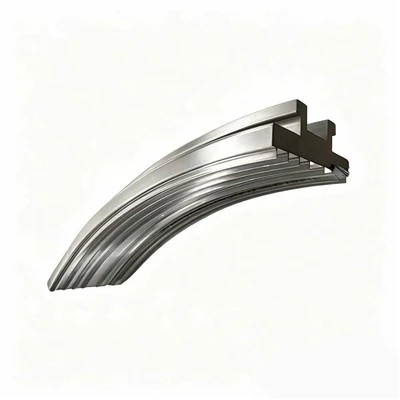
In conclusion, aircraft engine seals are essential components that significantly contribute to engine responsiveness. They maintain optimal pressure and temperature, reduce friction and wear, enhance lubrication efficiency, ensure fuel system integrity, and improve start – up and shutdown performance. As an aircraft engine seal supplier, we understand the critical role that our products play in the overall performance of aircraft engines.
Turbine Gland Seal If you are in the market for high – quality aircraft engine seals, we invite you to contact us for a procurement discussion. Our team of experts is ready to provide you with the best solutions for your specific engine requirements. We can offer you a wide range of seals, from traditional designs to the latest advanced technologies, all designed to enhance the responsiveness and performance of your aircraft engines.
References
- Rolls – Royce. (2019). "Aircraft Engine Sealing Technology."
- Pratt & Whitney. (2020). "Engine Component Design and Performance."
- Boeing. (2018). "Aircraft System Integration and Optimization."
- W. J. Anderson, and G. A. Johnston, "Fluid Mechanics for Engineers," McGraw – Hill Education, 2016.
Jiangsu Turbine Electric Power Technology Co., Ltd.
As one of the most professional aircraft engine seal manufacturers and suppliers in China, we have world-leading production equipment and strong manufacturing capabilities. Please feel free to buy advanced aircraft engine seal for sale here and get pricelist from our factory. Customized orders are welcome.
Address: Building 8, Huaqi Yungu Xuzhou Lingang Industry Accelerator, Jiawang District, Xuzhou City, Jiangsu Province
E-mail: zjh800@163.com
WebSite: https://www.cnturbine.com/
