Cleaning a waterproof membrane is a crucial maintenance task that ensures its long – term performance and durability. As a supplier of waterproof membranes, I’ve witnessed firsthand the impact that proper cleaning can have on the lifespan and effectiveness of these products. In this blog, I’ll share some in – depth knowledge on how to clean a waterproof membrane, covering different types of membranes, cleaning methods, and the importance of regular maintenance. Waterproof Membrane
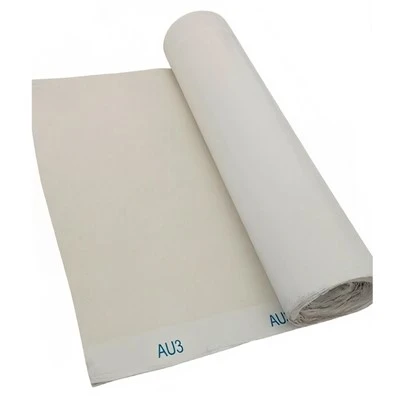
Understanding Different Types of Waterproof Membranes
Before diving into the cleaning process, it’s essential to understand the type of waterproof membrane you’re dealing with. Different materials require different cleaning approaches.
Bituminous Membranes
Bituminous membranes are one of the most common types of waterproofing solutions. They are made from a mixture of bitumen and various additives. These membranes are known for their excellent waterproofing capabilities and durability. However, they can be sensitive to high – temperature cleaning agents.
When cleaning bituminous membranes, avoid using solvents that are too harsh, as they can dissolve the bitumen and damage the membrane. Mild detergents mixed with water are usually the best option. A solution of warm water and a small amount of dish soap can effectively remove dirt, debris, and light stains without harming the membrane.
PVC Membranes
PVC (Polyvinyl Chloride) membranes are another popular choice. They are lightweight, flexible, and resistant to chemicals and UV rays. PVC membranes are relatively easy to clean. You can use a soft – bristle brush or a sponge to gently scrub the surface with a mild cleaning solution. Avoid using abrasive cleaners or tools that could scratch the PVC surface, as scratches can compromise the membrane’s waterproofing ability.
TPO Membranes
TPO (Thermoplastic Olefin) membranes are energy – efficient and environmentally friendly. They are resistant to punctures and have good weathering properties. Similar to PVC membranes, TPO membranes can be cleaned with a mild detergent and water. A non – abrasive cleaning pad can be used to remove stubborn stains, but be careful not to apply too much pressure.
Pre – Cleaning Steps
Before starting the cleaning process, there are a few steps you need to take to ensure the safety and effectiveness of the cleaning.
Inspection
First, conduct a thorough inspection of the waterproof membrane. Look for any signs of damage, such as tears, punctures, or blisters. If you find any damage, it should be repaired before cleaning. Small tears can often be patched using a compatible repair kit, while larger damages may require professional assistance.
Remove Debris
Use a broom or a leaf blower to remove loose debris, such as leaves, twigs, and dirt from the membrane surface. This step not only makes the cleaning process easier but also prevents scratches that could occur if debris is rubbed against the membrane during cleaning.
Cleaning Process
Preparation of Cleaning Solution
As mentioned earlier, for most waterproof membranes, a mild detergent solution is sufficient. Fill a bucket with warm water and add a small amount of dish soap or a specialized membrane cleaner. Stir the solution gently until it is well – mixed.
Application of Cleaning Solution
Use a soft – bristle brush, sponge, or a low – pressure sprayer to apply the cleaning solution to the membrane surface. Start from one end of the membrane and work your way across in a systematic manner. Make sure the entire surface is covered with the cleaning solution.
Scrubbing
For light dirt and stains, a gentle scrubbing with a sponge or a soft – bristle brush may be sufficient. For more stubborn stains, you can use a non – abrasive cleaning pad. However, be careful not to apply too much pressure, especially on delicate membranes like PVC and TPO. Work the cleaning solution into the stains using a circular motion, and then let the solution sit on the stains for a few minutes to loosen the dirt.
Rinsing
After scrubbing, thoroughly rinse the membrane with clean water. You can use a hose or a pressure washer set to a low pressure. Make sure all the cleaning solution and dirt are removed from the membrane surface. Rinse from the top down to prevent dirty water from running onto already – cleaned areas.
Drying
Allow the membrane to dry completely before inspecting it again. Drying can take several hours, depending on the weather conditions. Avoid walking on the wet membrane, as this can leave footprints and potentially damage the surface.
Importance of Regular Cleaning
Regular cleaning of waterproof membranes offers several benefits.
Prolonged Lifespan
Dirt, debris, and contaminants can accumulate on the membrane surface over time. These substances can cause abrasion, chemical reactions, and UV degradation, which can shorten the lifespan of the membrane. By regularly cleaning the membrane, you can remove these harmful substances and protect the membrane from premature wear and tear.
Maintained Waterproofing Performance
A clean membrane is more effective at preventing water penetration. Dirt and debris can clog the voids and pores in the membrane, reducing its ability to repel water. Regular cleaning ensures that the membrane’s surface is clear and unobstructed, allowing it to function at its best.
Early Detection of Damage
During the cleaning process, you have the opportunity to closely inspect the membrane for any signs of damage. Early detection of tears, punctures, or other issues can allow for timely repairs, preventing further damage and costly replacements.
Tips for Effective Cleaning
- Check the Weather Forecast: Choose a dry and mild day for cleaning. Avoid cleaning during extreme heat, as this can cause the cleaning solution to dry too quickly and leave streaks. Also, avoid cleaning before a heavy rain, as the wet membrane may not have enough time to dry properly.
- Test the Cleaning Solution: Before applying the cleaning solution to the entire membrane, test it on a small, inconspicuous area. This will help you ensure that the solution does not cause any damage or discoloration to the membrane.
- Use the Right Tools: Always use soft – bristled brushes, sponges, or non – abrasive cleaning pads. Avoid using metal tools or abrasive materials that can scratch the membrane.
Conclusion
Cleaning a waterproof membrane is a relatively simple yet essential task that can significantly extend its lifespan and maintain its performance. By understanding the type of membrane you have, following the proper cleaning steps, and performing regular maintenance, you can ensure that your waterproof membrane continues to provide reliable protection for years to come.
Waterproof Membrane As a supplier of high – quality waterproof membranes, I’m committed to providing not only top – notch products but also valuable information to help our customers make the most of their investments. If you’re in the market for a waterproof membrane or need further advice on membrane maintenance, I encourage you to reach out to us. We can offer expert guidance on product selection, installation, and cleaning, tailored to your specific needs. Let’s work together to ensure your waterproofing project is a success.
References
- "Waterproofing Membrane Handbook" – Published by a well – known industry research group.
- Manufacturer’s guidelines for various waterproof membranes.
Dingzhou Jiarun Jianhai Waterproof Materials Co., Ltd.
As one of the most professional waterproof membrane manufacturers and suppliers in China, we offer a wide range of products with superior quality. Please feel free to wholesale customized waterproof membrane made in China here from our factory. Also, pricelist is available.
Address: Shijiatuan, Mingyuedian Town, Dingzhou City, Baoding City, Hebei Province
E-mail: Jrjh16888@163.com
WebSite: https://www.jrjhwp.com/
