Hey there! I’m a supplier of industrial fasteners, and I’ve been knee – deep in this industry for quite a while. Today, I wanna chat about the types of industrial fasteners used in aerospace interior applications. It’s a super interesting area with some unique requirements, so let’s dive right in! Industrial Fasteners

1. Screws
You can’t talk about fasteners without starting with screws. They’re like the bread and butter of the fastening world, and aerospace interiors are no exception.
Machine Screws
These are the go – to for lots of applications in the aerospace interior. Machine screws have uniform threads and are designed to be used with a nut or in a pre – tapped hole. They come in a variety of head styles, like flat – head, round – head, and pan – head. In an aircraft interior, you might find them holding together panels, cabinets, or small equipment. For example, when installing the entertainment system panels on the back of seats, machine screws do a great job of providing a secure and stable connection.
Self – Tapping Screws
Self – tapping screws are a real game – changer. They can create their own threads when driven into a material, which is super handy. In aerospace interiors, they’re often used to attach lightweight materials like plastics or composites. Let’s say you’re putting up wall panels made of composite materials. Self – tapping screws can quickly and easily secure them without the need for pre – drilling and tapping, saving time and effort.
2. Bolts and Nuts
Bolts and nuts work together as a dynamic duo to hold things firmly in place, and they’re crucial in aerospace interior applications.
Hex Bolts
Hex bolts are one of the most common types. They have a six – sided head, which allows for easy tightening with a wrench. In the aerospace interior, hex bolts can be used to attach heavy – duty components. For instance, when mounting large storage units or structural parts of the interior framework, hex bolts provide a strong and reliable connection. They come in different grades, and the choice depends on the amount of stress and load the joint will experience.
Lock Nuts
Regular nuts might loosen over time due to vibrations, but lock nuts solve this problem. They have special features, like nylon inserts or distorted threads, that prevent them from coming loose. In an aircraft, which experiences a lot of vibrations during flight, lock nuts are essential. For example, when securing the brackets for overhead luggage compartments, lock nuts ensure that the connection remains tight and safe throughout the flight.
3. Rivets
Rivets are another important type of fastener in aerospace interiors. They’re permanent fasteners that create a strong bond between two or more materials.
Solid Rivets
Solid rivets have been around for a long time and are still widely used. They consist of a smooth, cylindrical shaft with a head on one end. To install a solid rivet, you use a rivet gun to deform the end of the shaft, creating a second head. In aerospace interiors, solid rivets are used in applications where a high – strength and reliable connection is needed. For example, they can be used to attach the metal frames of seats to the aircraft floor.
Blind Rivets
Blind rivets are great when you can only access one side of the material. They have a mandrel that is pulled to expand the rivet body and create a secure connection. In an aircraft interior, blind rivets are often used to attach panels or trim pieces. For instance, when installing the sidewall panels, blind rivets can be used to quickly and easily secure them from the inside without having to access the other side of the panel.
4. Clips and Clamps
Clips and clamps are used to hold things together in a different way, often providing a quick and easy way to attach or detach components.
Panel Clips
Panel clips are used to hold panels in place, especially in areas where easy removal is required. They can be made of plastic or metal and come in various shapes and sizes. In an aircraft interior, panel clips are used to attach decorative panels or access panels. For example, if a maintenance crew needs to access a wiring harness behind a panel, they can quickly remove the panel by detaching the panel clips.
Cable Clamps
Cable clamps are essential for organizing and securing cables in the aerospace interior. They prevent wires from tangling and keep them in place, reducing the risk of damage. In an aircraft, there are a lot of cables for things like lighting, communication systems, and entertainment systems. Cable clamps ensure that these cables are neatly arranged and won’t interfere with other components during flight.
5. Studs
Studs are similar to bolts but don’t have a head at one end. They’re threaded on both ends and are used to provide a secure connection in areas where a bolt might not be the best option.
Weld Studs
Weld studs are welded to a metal surface and then used to attach other components. In an aerospace interior, weld studs can be used to attach brackets or supports to the aircraft’s metal structure. For example, when installing a TV bracket on a metal wall in the cabin, weld studs can provide a strong and stable base for the bracket.
Why Choose Our Industrial Fasteners?
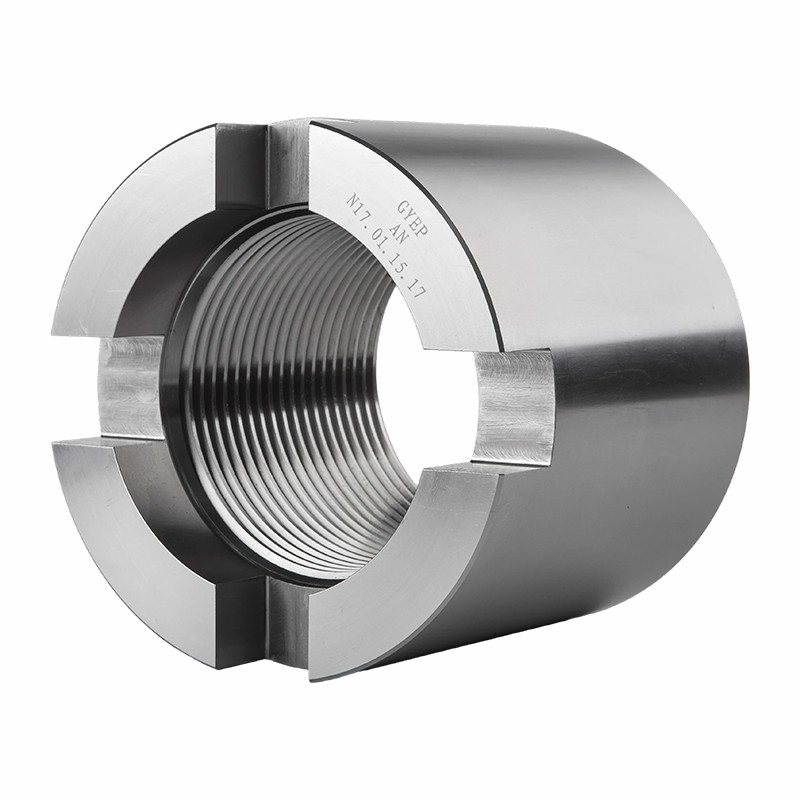
Now that we’ve covered the different types of industrial fasteners for aerospace interior applications, you might be wondering why you should choose our products. Well, here are a few reasons:
- Quality: We only source and supply high – quality fasteners. We understand that in the aerospace industry, safety is of the utmost importance, and our fasteners meet all the necessary industry standards.
- Variety: We have a wide range of fasteners to choose from. Whether you need a specific type of screw, bolt, or rivet, we’ve got you covered.
- Expertise: Our team has years of experience in the industry. We can offer you advice on which fasteners are best for your specific application, ensuring that you get the right product for the job.
Gas Turbine Components If you’re in the market for industrial fasteners for aerospace interior applications, I’d love to talk with you. We can have a chat about your needs, and I can help you find the perfect fasteners for your project. Don’t hesitate to reach out if you have any questions or if you’re ready to start a procurement process.
References
- Machinery’s Handbook, 30th Edition
- Aircraft Structures for Engineering Students, Fourth Edition
- ASME Standards on Fasteners
Hebei Guoyuan Electric Co., Ltd.
Address: No. 18 Tianshan Science and Technology Industrial Park, No. 319 Xiangjiang Road, Shijiazhuang High-tech Zone, Hebei Province, China
E-mail: turbine@goineep.com
WebSite: https://www.goineep.com/
