Hey there, fellow eco-conscious shoppers! If you’ve ever stopped to pick out kitchenware that doesn’t cost the planet, chances are you’ve glanced at bamboo bowls. As someone who’s spent the last 7 years supplying kitchen gear to folks who care about sustainability, I get it—bamboo feels like such a no-brainer at first glance. But lately, I’ve had so many customers hit me up with the same question: “Wait, are bamboo bowls actually eco-friendly? Or is this just another greenwashing trend?” Bowls

That’s the question I’m breaking down today, no jargon, no fluff—just straight talk from a bowl supplier who’s seen every angle, plus some actual science to back it up. Let’s cut to the chase.
First off, let’s get the basics right: what makes a material “eco-friendly” anyway? For me (and for most sustainability folks I chat with), it boils down to three big things: how it’s grown (does it destroy ecosystems?), how it’s made (does it waste energy or toxic stuff?), and what happens when you’re done with it (can it break down without polluting?). Bamboo checks a lot of boxes here—but let’s not pretend it’s perfect.
Let’s start with the growing part. Bamboo isn’t a tree, fun fact—it’s a grass. And man, does that grass grow fast. Like, super fast. Some species put on 3 feet a day. For context, a pine tree takes 20+ years to mature enough to harvest for lumber; a bamboo plant? Most types are ready in 3–5 years. That’s a game-changer for deforestation, right? We’re not cutting down old-growth forests to make bowls here.
Also, bamboo’s a champ for the soil it grows in. It has a dense root system that holds dirt in place way better than regular trees—so less erosion, especially in areas where heavy rain would wash topsoil away. It also doesn’t need nearly as much water as, say, a fruit orchard or even some hardwoods. Studies from the UN Environment Programme (UNEP) say bamboo uses 70% less water than timber for the same amount of material. And here’s the kicker: a lot of commercial bamboo farms don’t even need pesticides or fertilizers, because bamboo grows thick enough to block weeds from taking over. That means fewer chemicals leeching into groundwater, which is a huge win for local ecosystems and communities who rely on that water.
Wait, but hold on—this is only true for responsibly grown bamboo. I’ve heard horror stories from suppliers who source from places that clear-cut forests to plant monoculture bamboo farms. That’s bad news, because you lose biodiversity—all the birds and insects that lived in the original trees don’t have a home anymore. And some of those big farms do use synthetic fertilizers, which mess up the water. That’s why, when I choose the bamboo I supply, I only work with farms that have third-party certifications—like FSC (Forest Stewardship Council) or Fair Trade. Those rules make sure they’re not destroying habitats, treating workers right, and using chemicals sparingly.
Okay, so we’ve got the growing part down. Now, what about making the bowls? A lot of people think “natural” means no processing, but that’s not totally accurate. Most bamboo bowls aren’t just a stick of bamboo carved up—they go through some steps, and that’s where things can get tricky.
First, raw bamboo is super lightweight, so to make a sturdy bowl, you usually have to laminate it. That means gluing thin strips of bamboo together with a strong adhesive. Here’s where the eco-friendliness hinges on the glue. If the glue is formaldehyde-based, that’s a problem—formaldehyde is a volatile organic compound (VOC) that can off-gas into your kitchen, especially if the bowl is new. Some cheaper suppliers use that kind of glue to save money, which is why some people complain their bamboo bowls smell weird at first. But the good stuff—what I use—uses water-based, non-toxic, food-safe glues. No formaldehyde, no off-gassing. It’s still a man-made adhesive, but it’s way safer for you and the planet.
Then there’s the finishing. Bamboo bowls are usually coated with something to make them water-resistant, right? If you use cheap, petroleum-based sealants (like some plasticized resins), that’s bad. They don’t biodegrade, and they can leach into food over time. But the bowls I supply use food-grade, plant-based finishes—think mineral oil, beeswax, or shellac. Those are all natural, don’t harm you, and break down way easier if the bowl is ever past its prime.
Another point: energy use in manufacturing. Because bamboo grows so fast, it’s way less energy-intensive to harvest and process than hardwood. You don’t need heavy equipment to cut it down as often, and the processing (slicing, laminating, carving) uses less energy than turning a tree into lumber. A study from the International Bamboo and Rattan Organization (INBAR) found that producing bamboo products uses 50% less energy than comparable wood products. That’s a big win for cutting carbon emissions.
Now, the big one: end of life. What happens when you’re done with your bamboo bowl? Can you just toss it in the trash and not feel bad? The short answer is… sort of, but not exactly. Bamboo is a natural fiber, so it’s biodegradable. If you leave it in a home compost pile, it’ll break down in like 6 months to a year, compared to a plastic bowl which takes hundreds of years. Even in a municipal compost, if the facility can handle organic waste, it’ll turn into nutrient-rich soil instead of sitting in a landfill generating methane.
But wait—there’s a catch. Like all natural materials, bamboo bowls will eventually wear out. They can get scratches, which let bacteria get trapped (not ideal for food), or the finish can chip. So you can’t use a bamboo bowl forever, right? A wooden bowl might last 10+ years if you take care of it, but a bamboo bowl is probably 3–7 years, depending on how often you use it. Compare that to a plastic bowl—plastic bowls can last a lifetime, but they never break down. Or a ceramic bowl, which is heavy to ship, breaks easily, and is often made with clay that’s mined in ways that damage ecosystems.
Let’s do a quick math check here. If you go through a plastic bowl every 2 years, that’s 5 bowls over 10 years, all adding to landfill waste. A bamboo bowl that lasts 5 years is 2 bowls, way less waste. If you compost the old one, it’s even better. But if you mistreat your bamboo bowl—washing it in the dishwasher every time, leaving it soaking in water, that can make it wear out faster, which means you have to replace it more often. That’s why I always tell customers: hand wash your bamboo bowls, dry them right away, oil them every 6 months to keep the finish good. That way, they last as long as possible, which cuts down on waste even more.
Wait, and what about greenwashing? That’s a huge one right now. There are so many brands labeling anything “eco-friendly” to get your money, even if it’s not. I’ve seen cheap bamboo bowls at big box stores that are made with non-food-safe glue, sourced from unregulated farms, and coated in petroleum sealants. Those aren’t actually eco-friendly—they’re just bamboo-shaped. That’s why it’s so important to do your research when you’re buying. Check for certifications, ask the supplier what kind of glue and finish they use, and don’t just go for the cheapest option.
Let me also address a common myth: some people think bamboo bowls are a replacement for all other kitchenware, but they’re not. I’m not here to tell you to ditch your ceramic or stainless steel bowls entirely. But if you’re looking for a daily-use bowl for cereal, salads, or snacks, bamboo is a great middle ground. It’s lighter than ceramic, so if you’re packing lunch, it’s way easier to carry. It’s sturdier than plastic, so you don’t have to worry about it breaking if it slips out of your hand. And it’s way more sustainable than either.
Now, as someone who’s supplying these bowls, I’ve seen both sides. I’ve worked with farms that really care about the planet and their workers, and I’ve seen the bad ones that are just in it for a quick buck. That’s why I only source my bamboo from farms that meet strict standards: FSC certified, no harmful chemicals, fair wages for workers. Every bowl I sell is made with that stuff, because I wouldn’t put something in your kitchen that I wouldn’t use myself.
So, to circle back to the original question: are bamboo bowls eco-friendly? The answer is yes—if you get the right ones, and you take care of them. It’s not a perfect material, nothing is. It doesn’t have the lifespan of a good stainless steel bowl, but it’s way better for the planet than plastic. It doesn’t require mining like metal, or deforestation like hardwood. And if you compost it when you’re done, it doesn’t leave a trace.
I also want to say, as a small supplier, I get that choosing kitchenware is personal. Maybe you need something super durable for camping, and that’s not bamboo. Maybe you’re looking for a bowl for a kid, and you want something shatterproof, so maybe plastic is better temporarily. But if you’re looking for a daily bowl that’s gentle on the planet, bamboo is a solid choice—if you do it right.
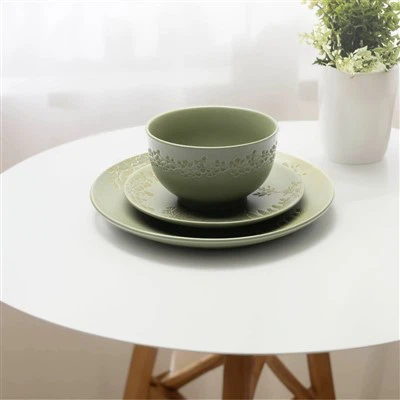
Now, if you’re a café owner, a restaurant manager, or a home cook looking to switch to more sustainable kitchenware, I’m here to help. I can tell you exactly which of my bamboo bowls are best for daily use, what kind of care they need, and how to place an order that fits your needs. Whether you’re just starting out with swapping one bowl, or you need a whole set for your business, I’m ready to chat. Don’t hesitate to reach out to talk through what works for you.
References
Winter Dinnerware Set United Nations Environment Programme (UNEP). (2021). Bamboo as a Sustainable Alternative: Environmental Benefits and Applications.
International Bamboo and Rattan Organization (INBAR). (2022). Life Cycle Assessment of Bamboo vs. Wood Products.
Forest Stewardship Council (FSC). (2023). Bamboo Certification Standards: Responsible Sourcing Guidelines.
Journal of Cleaner Production. (2020). Comparative Analysis of Biodegradable Packaging Materials: Bamboo vs. Traditional Plastics.
Wellwares (Shijiazhuang) Limited
Wellwares (Shijiazhuang) Limited is one of the most professional bowls manufacturers and suppliers in China, featured by quality products and good service. Please rest assured to wholesale customized bowls at low price from our factory.
Address: 12F, Huahai Universal Plaza, No. 199 Xinhua Road, Shijiazhuang.
E-mail: chloecui@wellwares.com
WebSite: https://www.wws-ceramic.com/
