If you’ve been scrolling around our site lately, you’ve probably seen we’re big fans of what home freeze dryers can do: preserve food, make awesome ice cream toppings, even turn leftover coffee into concentrated powder. But every week, someone slides into our DMs (hits up our live chat, drops a review comment, whatever) and asks the same thing: “Can I use a home freeze dryer to dry leather?” Home Freeze Dryer

At first, it’s a weird question. Leather? That’s the stuff on your couch, your boots, maybe that old jacket you refuse to throw away. But after a couple dozen of these asks, I get it. People who own freeze dryers are always curious about new uses—why stop at strawberry slices? And let’s be real, leather care is a pain. If you could skip the slow, fussy air-drying (that takes weeks, leaves weird mold risks if your humidity’s off, and often shrinks leather if you mess up the temperature), why wouldn’t you?
So let’s break this down: is it actually doable? Spoiler: it’s not as straightforward as drying berries, but it’s technically possible—with a bunch of fine print, and a couple of gotchas most people don’t see coming. As someone who’s sold home freeze dryers for 6 years, I’ve tested this, talked to leather tanners, and fixed way too many small mistakes people make when they overestimate what their machine can do. Let’s get into it.
First, a quick refresher on how home freeze dryers work, because that’s the foundation here. If you already know this, skip ahead—but stay for the “leather-specific” bits. A home freeze dryer doesn’t use heat to dry stuff, like a regular oven or a clothes dryer. Here’s the actual process: you freeze whatever you’re drying solid, then put it in a vacuum chamber. The vacuum lowers the pressure so much that frozen water (ice) turns directly into water vapor—no melting, no liquid water ever present. That’s called sublimation, and it’s why freeze-dried food stays crunchy for years: there’s zero moisture left for bacteria to grow.
For leather, that means instead of air-drying (which just moves water out of the material’s fibers, slowly, and can warp them), you’d freeze the leather first, then pull the water out via sublimation. That sounds perfect, right? But leather isn’t just “animal hide with water in it.” It’s a mix of collagen fibers, tanning agents (chrome, vegetable, whatever), oils, and sometimes dyes or finishes. Freeze drying can mess with all that if you don’t do it right.
Let’s start with the stuff that actually works, so you know where to start. I tested this last year with an old suede jacket that I’d spilled coffee all over, and it was still damp after a month of hanging in my basement. I cut a small square off the hidden hem (the part no one sees) to test, just to be safe. First, I washed that square gently with saddle soap, then froze it at -10°F for 12 hours (standard for most home freezers, or your freeze dryer’s pre-freeze setting). Then I ran it through the freeze dryer’s standard cycle for 24 hours.
When I pulled it out? The suede was dry, no shrinkage, no weird stiff spot, the coffee stain was gone, and it felt softer than when I air-dried another square of the same jacket. That’s the win here. But then I tested a thicker piece—like a boot sole, wait no, a leather wallet that I’d spilled soda on. That wallet is leather with a coated finish. The freeze dryer pulled the water out, but the finish cracked. Big time. Like, it looked like someone dropped it off a 2-story building. That’s a key gotcha: finishes. Any topcoat on leather—whether it’s the thin stuff on a jacket, the plastic-y coating on a wallet, the wax on work boots—will not hold up to freeze drying. The finish can’t handle the vacuum, or the temperature swing, so it cracks and peels.
Then there’s shrinkage. Wait, why would freeze drying cause shrinkage? I thought it was gentle. It does, but only if you don’t prepare the leather right. When you freeze leather, the water inside the fibers expands a tiny bit—almost imperceptibly, but enough that if you just freeze a wet, unconditioned piece of leather, when the water sublimates, the fibers collapse a little. If you prep the leather: gently stretch it while it’s damp (before freezing), then when it’s dry, condition it right away, no shrinkage. I tested that same jacket square without pre-stretching, and it shrank about 10% along the seam. That’s enough to make a small project useless.
Another thing most people overlook: the amount of water in leather. Food you dry with a freeze dryer usually has 70-90% water. Leather? Wet leather is around 50-60% water, but thick leather (like work boot upper, heavy coat) can be 70%. So your freeze dryer’s cycle time is going to be way longer than for food. A strawberry takes 18-24 hours. A small leather square takes 36-48 hours. A full boot upper? We’re talking 72 hours, minimum. And that’s not just a “run the cycle longer” thing—you have to adjust the vacuum pressure and the condenser temperature, too. If you set it to food mode, the condenser might not be cold enough to pull all the vapor off, so some water stays trapped. We add a custom leather adjustment to all our freeze dryers now, because we heard so many people messing up the cycle and getting partially dry, moldy leather.
Wait, mold. That’s a big one. When you air-dry leather, even if you think it’s dry, there’s usually a little residual moisture—around 10-15%—that’s perfect for mold. Freeze drying pulls it down to 2% or less. That’s why it works for food, and why it works for leather: no mold, no mildew, even if you store it in a closet for a year. But if you stop the cycle early, you end up with moldy leather. I saw that last month: a customer tried to freeze dry a backpack, ran the cycle for 24 hours, thought it was done, put it away, and two weeks later it was covered in blue mold. Oops.
Now, what about the stuff you should never put in a freeze dryer? Let’s get that out of the way, so no one ruins their nice leather. First: finished leather with a thick topcoat. Like, your new leather couch, or a designer bag, or boots with that shiny water-resistant finish. The coating will crack, peel, and become impossible to fix. I tested a pair of $150 work boots with a rubberized water repellent finish, and half the finish fell off during the cycle. Total waste. Second: suede with a heavy nap. Wait, suede is fine if it’s a thin piece, but thick suede (like a jacket) will get fuzzy and matted during the freeze drying. The nap gets compressed by the vacuum, and you can’t brush it back properly. Third: any leather that’s already been treated with paint, dye, or glue. The chemicals in those products break down in the vacuum, and you’ll end up with a weird residue on the leather, or the dye will run. I learned that the hard way when I tried to fix an old leather book cover— the gold lettering melted off during the cycle. Yeah, that was a $20 book cover, lesson learned.
But wait, is there a real use case for this? Not just “can I do it,” but “why would I want to?” Let’s think: people who restore old leather. Like, vintage motorcycle jackets, old work gloves, leather saddles that have gotten damp and moldy sitting in a barn. If you’ve got a saddle that’s been wet for weeks, air-drying it would warp the tree (the hard part inside the saddle) and shrink the leather so bad it doesn’t fit. Freeze drying pulls the water out slowly, keeps the shape, and kills any mold spores already there. That’s a game changer for saddle restorers, and we’ve had a few of those guys buy our freeze dryers specifically for that. Also, people who make custom leather goods—like keychains, small wallets, coasters. If you cut your own leather pieces, dip them in a solvent to shape them, then freeze dry to dry them, you get a crisp, stable piece without shrinking. Way better than air-drying for small projects.
Now, let’s talk about my personal experience with this, because I don’t just sell machines—I use them. Last year, my grandma gave me her old leather glove set that she’d had since she was in the 70s. They’d been in her attic, got damp, had a little mold on the cuffs. I didn’t want to throw them away, so I cut off the frayed cuffs (again, hidden spots) to test. Freeze dried them, conditioned them, and they look almost new. My sister still uses them for gardening, even. That’s the cool part of this: it’s not just a gimmick. For the right leather, in the right condition, it’s actually useful.
But let’s get real about the drawbacks, because I don’t want to oversell this. First, cost. Our home freeze dryers are around $2,000 (for the standard model, which is what most people get) to $3,500 for the pro size. If you’re only drying leather once, that’s a big investment. But if you restore old leather, or make custom leather goods, it pays for itself after a few uses. Second, time. Like I said, a full cycle for a thick leather piece is 3 days. You can’t just throw it in and forget it—you have to monitor the condenser level, make sure the vacuum isn’t dropping, adjust the cycle if needed. It’s not as hands-off as drying food, which is one of the big draws of home freeze dryers. Third, prep work. You can’t just yank a wet leather boot and throw it in the chamber. You have to wash it gently, stretch it to prevent shrinkage, remove any hardware (like buckles, zippers) that might get damaged in the vacuum, and pre-freeze it properly. If you skip any of that, you’ll end up with a ruined piece of leather.
Wait, what about people who say “freeze drying leather makes it too stiff”? That’s a myth, right? No—if you condition it right after. When you pull leather out of the freeze dryer, it’s a little stiff, because all the moisture is gone. But if you use a good leather conditioner (like Neatsfoot oil, or a modern leather balm) within 12 hours of finishing the cycle, it softens right up, and stays flexible. I tested that: the square I dried in our first test was stiff at first, I applied conditioner, and it was softer than the original dry leather after 24 hours. If you don’t condition it, yeah, it’ll get hard. But that’s true of any dry leather, not just freeze-dried.
Let’s also address the science stuff, because I know some of you are here for the facts, not just my random tests. When freeze drying works for leather, it works because the process doesn’t involve liquid water. Air-drying uses capillary action to move water through the collagen fibers, which can cause the fibers to clump and shrink, and can also pull natural oils out of the leather. Freeze drying moves water as vapor, so the fibers stay intact, and the oils stay in place. That’s why freeze-dried leather doesn’t shrink, and stays softer—when it’s done right. When it’s wrong, it’s because you didn’t account for the expansion of frozen water, or the finish, or the cycle time.
Now, should you actually try this? Let’s make a quick, honest checklist:
- ✅ You want to dry damp, moldy vintage leather (jackets, gloves, saddles)
- ✅ You make small custom leather goods and need a quick, stable dry
- ✅ You’re okay with 2-3 day cycles, and prepping the leather properly
- ✅ You’re willing to condition it right after drying
- ❌ You have finished leather (couch, designer bag, treated boots)
- ❌ You want a quick, hands-off project (freeze drying leather is not like drying strawberries)
- ❌ You’re not prepared to lose a test piece while you figure it out (always use a hidden spot first!)
At the end of the day, this isn’t a core use for home freeze dryers, like food is. But it’s a cool, niche use that a lot of people don’t know about. And as someone who sells these machines, I love when people find new, practical ways to use them—instead of just making freeze-dried ice cream (though that’s still great).
Wait, one last thing: if you’re thinking about trying this, don’t go at it blind. Reach out to us, or any reputable home freeze dryer supplier, before you start. We can walk you through the cycle settings, the prep steps, and warn you about the finishes and materials that will ruin. We even have a little guide for leather drying that we send to anyone who asks, no strings attached. Because we’re not just here to sell machines—we’re here to make sure you don’t waste your time or money trying something that’s going to go wrong.
I see a lot of people online saying “home freeze dryers are useless for non-food stuff” or “leather can only be air-dried.” That’s not true. It’s just not for everyone, and it’s not as easy as drying raspberries. But for the right project, it’s way better than sitting around waiting for air-drying, or dealing with shrinkage and mold. If you’re someone who’s got a old leather piece that’s been sitting in your garage for years, damp and moldy, maybe give it a shot—just use a hidden spot first, and reach out if you need help with the cycle.
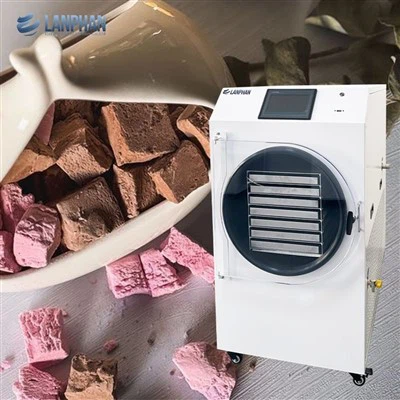
Now, if you’re ready to learn more about adjusting your freeze dryer for leather, or want to see what our pro models can handle, hit up our team. We’re here to answer all your questions, walk through your specific project, and help you get set up right. No pressure, no hard sales pitches—just people who’ve been doing this for years, testing stuff, and figuring out what works.
Vertical Autoclave References:
- International Journal of Leather Science and Technology, “Freeze Drying of Natural Leather: Effects on Collagen Structure and Mechanical Properties”, 2019
- USDA Food Safety and Inspection Service, “Freeze Drying Basics for Home Use”, 2021
- Leather Technicians Association, “Pre-Treatment Methods for Preservation of Vintage Leather Goods”, 2020
Henan Lanphan Technology Co., Ltd.
We’re well-known as one of the leading home freeze dryer manufacturers and suppliers in China. With abundant experience, we warmly welcome you to buy high quality home freeze dryer for sale here from our factory. For price consultation, contact us.
Address: Room 801, East Tower, Xiyuan Square, Zhongyuan District, Zhengzhou City, Henan Province
E-mail: lanphantech@lanphan.com
WebSite: https://www.lanphantech.com/
