Traffic batons are essential tools for traffic control personnel, guiding the flow of vehicles and pedestrians in various situations. One question that often arises is whether there are differences in traffic batons for day and night use. As a supplier of traffic batons, I have a deep understanding of this topic and would like to share some insights. Traffic Baton

Visibility Requirements
The primary difference between day – and night – use traffic batons lies in their visibility requirements. During the day, natural light is abundant, and the main goal is to make the baton stand out against the surrounding environment. Traffic batons used during the day are typically designed with bright, high – contrast colors. Bright orange, yellow, or fluorescent colors are commonly used as they are highly visible under sunlight. These colors can be easily spotted by drivers and pedestrians from a distance, even in busy traffic conditions.
For example, a solid orange traffic baton is a popular choice for daytime use. The bright color is eye – catching, and it can be clearly seen against the backdrop of roads, buildings, and other objects. Some daytime traffic batons also feature reflective strips. Although the main visibility comes from the bright color, these reflective strips can add an extra layer of visibility when light hits them at certain angles, such as when a vehicle’s headlights shine on the baton during dawn or dusk.
At night, the situation is quite different. With limited natural light, traffic batons need to have their own light source to be visible. Most night – use traffic batons are equipped with LED lights. LEDs are energy – efficient, long – lasting, and can produce a bright, focused beam of light. These lights can be set to different modes, such as steady – on, flashing, or strobing. Flashing and strobing modes are particularly effective at night as they attract attention more easily than a steady light.
The light color of night – use traffic batons also matters. White and red are the most common colors. White light is often used to provide general illumination and to signal normal traffic control instructions. Red light, on the other hand, is typically associated with stop signals, similar to traffic lights. Some batons may also have a combination of white and red lights, allowing traffic control personnel to switch between different functions as needed.
Design and Durability
Another aspect where day and night traffic batons may differ is in their design and durability. Daytime traffic batons are often more lightweight and have a simpler design. Since they do not need to house a complex lighting system, they can be made from lighter materials such as plastic or fiberglass. This makes them easier to handle for long periods, which is important for traffic control officers who may be on duty for hours at a time.
The exterior of daytime traffic batons is usually smooth and resistant to scratches and minor impacts. This ensures that the bright color remains visible and the baton maintains its integrity over time. Some daytime batons may also have a textured grip to prevent them from slipping out of the user’s hand, especially in wet conditions.
Night – use traffic batons, due to the inclusion of LED lights and a power source, are generally more complex in design. They need to be well – sealed to protect the internal components from moisture, dust, and impact. A robust housing is required to ensure the longevity of the light system. Many night – use traffic batons are made from high – impact plastic or metal alloys.
The power source is a crucial part of night – use traffic batons. Rechargeable batteries are becoming increasingly popular as they are more cost – effective and environmentally friendly compared to disposable batteries. Some batons also have a low – battery indicator, which is important for ensuring that the baton remains functional during an entire shift.
Functionality
Functionality can also vary between day and night traffic batons. Daytime traffic batons are mainly used for simple hand – signaling. The bright color of the baton helps the traffic control officer to attract attention and communicate basic instructions, such as directing traffic to turn, stop, or proceed.
Night – use traffic batons, in addition to hand – signaling, can use their lights to provide more detailed instructions. For example, a series of short flashes can indicate a warning, while a long, steady flash can signal a stop. The different light modes can be used to create a more dynamic and effective communication system at night.
Some advanced night – use traffic batons also have additional features. For instance, they may be equipped with a remote – control function, allowing the traffic control officer to switch between different light modes from a distance. This can be useful in situations where the officer needs to quickly change the signal without getting too close to the traffic.
Cost Considerations
Cost is an important factor for both suppliers and customers. Generally, night – use traffic batons are more expensive than daytime batons. The cost of the LED lights, the power source, and the more complex design all contribute to the higher price. However, the increased functionality and visibility at night often justify the additional cost, especially for areas with high – traffic volume or where traffic control is required during nighttime hours.
For suppliers, it is important to offer a range of products to meet different customer needs. Some customers may only require daytime traffic batons for occasional use, while others may need high – quality night – use batons for regular traffic control operations. By providing a variety of options, suppliers can attract a wider customer base.
Quality Assurance
As a traffic baton supplier, quality assurance is of utmost importance. For daytime traffic batons, we ensure that the colors are fade – resistant and the materials are strong enough to withstand normal wear and tear. We conduct regular quality checks on the manufacturing process to ensure that each baton meets the required standards.
For night – use traffic batons, the quality control process is even more rigorous. We test the LED lights for brightness, durability, and energy efficiency. The power source is also thoroughly tested to ensure a long battery life and reliable performance. We also check the sealing of the baton to prevent any moisture or dust from entering and damaging the internal components.
Conclusion
In conclusion, there are significant differences between traffic batons for day and night use. These differences are mainly in terms of visibility requirements, design, durability, functionality, and cost. As a traffic baton supplier, we understand the unique needs of our customers and strive to provide high – quality products that meet these needs.
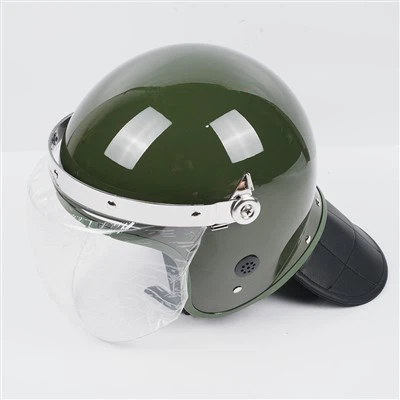
Riot Gear Whether you are in charge of a construction site, a parking lot, or a busy intersection, choosing the right traffic baton is crucial for effective traffic control. If you are interested in purchasing traffic batons for either day or night use, we invite you to contact us for a detailed discussion. Our team of experts can help you select the most suitable products based on your specific requirements. We look forward to working with you to ensure safe and efficient traffic management.
References
- Highway Safety Manual, American Association of State Highway and Transportation Officials.
- Traffic Control Devices Handbook, Federal Highway Administration.
Jiangsu Jiuan Police Equipment Manufacturing Co., Ltd.
Address: No. 9, Xihuan South Road, Jingjiang City, Jiangsu Province
E-mail: viola@jiuanpolice.cn
WebSite: https://www.japolice.com/
