Can forged valves be used in shipbuilding?
Hey there! I’m a supplier of forged valves, and I often get asked if forged valves can be used in shipbuilding. Well, the short answer is yes, and in this blog, I’m gonna dive deep into why that’s the case and share some important stuff about how these valves work in the shipbuilding world. Forged Valves
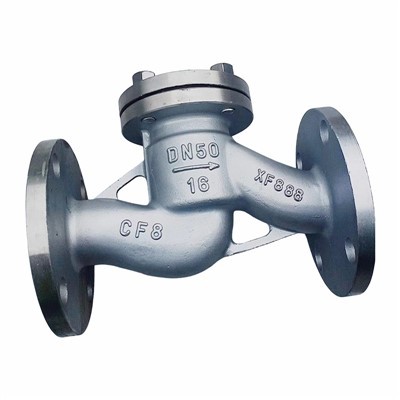
First off, let’s talk about what forged valves are. Forged valves are made by pounding or pressing metal at high temperatures to shape it into the valve we need. This process makes the valves super strong and durable. The metal grains in forged valves are aligned in a way that gives them better mechanical properties compared to valves made by other methods, like casting.
Now, why are they so great for shipbuilding? Well, ships operate in some of the harshest environments out there. They’re constantly exposed to saltwater, which is extremely corrosive. Forged valves are usually made from materials like stainless steel or alloy steel, which have excellent corrosion resistance. This means they can withstand the constant battering from saltwater without rusting or corroding too quickly. If a valve in a ship starts to corrode, it can lead to leaks, which are a huge problem. Leaks can cause equipment failure, contaminate the ship’s systems, and in some cases, even pose a safety risk to the crew.
Another reason forged valves are a top choice for shipbuilding is their high strength. Ships have a lot of different systems that rely on valves to control the flow of fluids, like water, fuel, and hydraulic oil. These systems often operate at high pressures. Forged valves can handle these high pressures without deforming or breaking. For example, in the ship’s engine room, the fuel injection system needs to operate at very high pressures to ensure efficient combustion. A forged valve in this system can maintain its integrity and keep the fuel flowing smoothly, which is crucial for the ship’s performance.
In addition to their strength and corrosion resistance, forged valves also offer better sealing performance. A good seal is essential in ship systems to prevent leaks. The forging process allows for precise shaping of the valve components, which means the valve can close tightly and create a reliable seal. This is especially important in systems where even a small leak could have serious consequences, like in the ship’s ballast water system. The ballast water system helps to stabilize the ship, and any leaks could affect the ship’s stability and safety.
But it’s not all sunshine and rainbows. There are some challenges when using forged valves in shipbuilding. One of the main challenges is the cost. Forging is a more expensive manufacturing process compared to casting. This means that forged valves are generally more expensive than their cast counterparts. However, when you consider the long – term benefits, like their durability and reliability, the cost can be justified. Ships are expensive assets, and using high – quality forged valves can help to reduce maintenance costs and prevent costly breakdowns in the long run.
Another challenge is the lead time. The forging process takes time, especially for complex valve designs. Shipbuilders are often on tight schedules, and a long lead time for valves can delay the construction of the ship. To overcome this, it’s important for shipbuilders to plan ahead and work closely with valve suppliers like me. I always try to be as flexible as possible and work with the shipbuilders’ schedules to minimize any delays.
Let’s talk about some specific applications of forged valves in shipbuilding. In the ship’s piping systems, forged valves are used to control the flow of fluids. For example, gate valves, which are often forged, are used to start or stop the flow of water or other liquids in the piping. They’re simple and reliable, making them a common choice in ship piping. Globe valves, another type of forged valve, are used to regulate the flow of fluids. They can be adjusted to control the amount of fluid passing through the valve, which is useful in systems where precise flow control is required.
In the ship’s engine systems, forged valves play a crucial role. In the exhaust system, forged exhaust valves are used to control the flow of exhaust gases. These valves need to be able to withstand high temperatures and pressures, as well as the corrosive effects of the exhaust gases. In the lubrication system, forged valves are used to control the flow of oil to different parts of the engine. This ensures that the engine is properly lubricated and can operate smoothly.

So, as you can see, forged valves have a lot to offer in shipbuilding. They’re strong, durable, corrosion – resistant, and offer good sealing performance. While there are some challenges, like cost and lead time, the benefits far outweigh the drawbacks.
Threaded Valve If you’re involved in shipbuilding and are looking for high – quality forged valves, don’t hesitate to get in touch with me. I’ve got a wide range of forged valves to suit different shipbuilding needs. Whether you need valves for a small coastal vessel or a large ocean – going tanker, I can help you find the right ones. We can discuss your specific requirements, and I’ll do my best to provide you with the best possible solution at a competitive price. So, drop me a line, and let’s start talking about how my forged valves can meet your shipbuilding needs.
References
- ASME Boiler and Pressure Vessel Code Section VIII, which provides standards for pressure vessels including valves used in various industries including shipbuilding.
- Bureau Veritas Rules for the Classification of Ships, detailing requirements for materials and equipment used in ship construction, including valves.
- Lloyd’s Register Rules and Regulations for the Classification of Ships, offering guidelines on the selection and use of valves in ship systems.
Xiongxiang Valve Group Co., Ltd.
As one of the most professional forged valves manufacturers and suppliers in China, we’re featured by quality products and good price. Please rest assured to wholesale cheap forged valves for sale here from our factory. Contact us for more details.
Address: Building 1, No.306, 12th Binhai Road, Jinkai District, Wenzhou City, Zhejiang Province, China
E-mail: info@xiongxiangvalve.com.cn
WebSite: https://www.steelvalvegroup.com/
