Can U – PVC fittings be used in a vacuum system? U-PVC Fittings
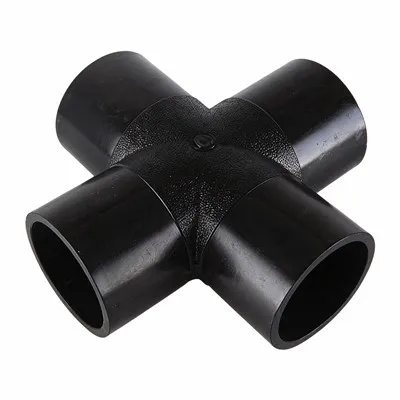
As a supplier of U – PVC fittings, I often encounter questions from customers regarding the suitability of our products in various applications. One inquiry that has come up more frequently lately is whether U – PVC fittings can be used in a vacuum system. In this blog, I will delve into the technical aspects, evaluate the pros and cons, and provide some insights based on real – world experience.
Understanding U – PVC Fittings
First, let’s briefly touch on what U – PVC fittings are. Unplasticized polyvinyl chloride (U – PVC), also known as rigid PVC, is a type of thermoplastic. It is highly valued in the plumbing and construction industries for its durability, chemical resistance, and relatively low cost. U – PVC fittings are commonly used in water supply systems, drainage pipes, and various industrial applications that do not require high – temperature resistance.
The material’s properties make it a popular choice for many projects. U – PVC is resistant to corrosion from many chemicals, which is beneficial when transporting various fluids. It also has good mechanical strength and can withstand a certain amount of pressure without deforming under normal circumstances. However, its performance under a vacuum system is a different story.
Vacuum Systems and Their Requirements
A vacuum system is one where the pressure inside the system is lower than the atmospheric pressure. Vacuum systems are used in a wide range of industries, including scientific research, pharmaceuticals, food processing, and electronics manufacturing. In these applications, maintaining a stable vacuum is crucial for the proper functioning of the equipment and processes.
There are several key requirements for components used in a vacuum system. First and foremost, they must be able to withstand the pressure differential between the inside and outside of the system. Components should also be leak – proof to prevent air from entering the vacuum chamber, which could disrupt the vacuum level. Additionally, they need to be chemically compatible with the substances involved in the process and be able to perform consistently under the specific operating conditions of the vacuum system.
Potential Advantages of Using U – PVC Fittings in Vacuum Systems
Despite the challenges, there are some potential advantages to using U – PVC fittings in vacuum systems.
Cost – effectiveness: U – PVC is significantly cheaper than many other materials used in vacuum systems, such as stainless steel or high – performance polymers. This makes it an attractive option for budget – conscious projects, especially those that do not require high – precision vacuum levels.
Chemical resistance: As mentioned earlier, U – PVC has good chemical resistance. In some vacuum applications where corrosive chemicals or vapors are present, U – PVC fittings can resist degradation better than some metal components, potentially increasing the lifespan of the system.
Ease of installation: U – PVC fittings are relatively easy to install. They can be cut, glued, and assembled without the need for specialized welding equipment, which can save time and effort during the system installation process.
Factors Limiting the Use of U – PVC Fittings in Vacuum Systems
However, there are several factors that limit the use of U – PVC fittings in vacuum systems.
Structural integrity: U – PVC is a relatively rigid material, but it may not have the necessary strength to withstand the high – pressure differentials often encountered in vacuum systems. Under a strong vacuum, the external atmospheric pressure can cause the U – PVC fittings to collapse or deform. This is particularly true for larger – diameter fittings or those with complex geometries.
Leakage: Achieving a perfect seal is crucial in a vacuum system. While U – PVC fittings can be joined using adhesive, the joints may not be as airtight as those of more specialized vacuum – rated components. Even a small leak can undermine the performance of the entire vacuum system and lead to inconsistent results.
Outgassing: Outgassing is the release of gases from a material into the vacuum environment. U – PVC can outgas, especially when first exposed to a vacuum. This can contaminate the vacuum chamber and interfere with the processes being conducted inside, which is a major concern in applications such as semiconductor manufacturing or precision scientific research.
Temperature limitations: U – PVC has a relatively low heat – deflection temperature. In some vacuum systems, the temperature can fluctuate due to the operation of pumps or the nature of the processes. If the temperature rises above the limit that U – PVC can tolerate, it may soften or deform, affecting the performance and integrity of the system.
Real – World Applications and Case Studies
In reality, the use of U – PVC fittings in vacuum systems is often limited to low – vacuum applications where the pressure differentials are not extreme.
In some food – packaging operations, where only a mild vacuum is required to remove air from packaging bags, U – PVC fittings can be used. The relatively low – cost and ease of installation make them a practical choice in this scenario. However, strict quality control measures need to be in place to ensure that the fittings do not leak and that they can maintain the required vacuum level throughout the packaging process.
In educational laboratories, where the focus is on basic vacuum experiments with lower precision requirements, U – PVC fittings can serve as an economical alternative to more expensive vacuum – compatible materials. Teachers and students can assemble simple vacuum systems using U – PVC pipes and fittings to learn about the principles of vacuum technology.
Alternatives to U – PVC Fittings in Vacuum Systems
For high – performance or high – precision vacuum applications, alternative materials are often preferred.
Stainless steel: Stainless steel is a popular choice due to its high strength, excellent mechanical properties, and low outgassing characteristics. It can withstand high – pressure differentials and is suitable for a wide range of temperature conditions. However, stainless steel fittings are more expensive and require special welding or connection techniques.
Glass: Glass components, such as glass tubes and flanges, are often used in vacuum systems where transparency and chemical inertness are required. They have very low outgassing rates and can provide a high – quality seal. However, glass is brittle and requires careful handling.
Conclusion
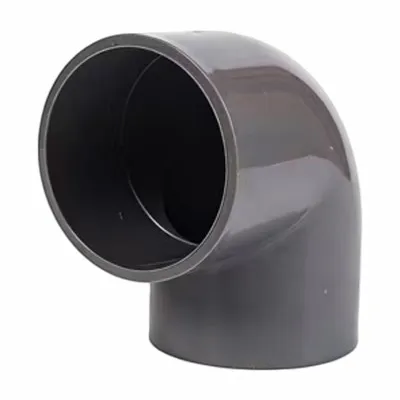
In conclusion, while U – PVC fittings have some potential advantages in terms of cost, chemical resistance, and ease of installation, their use in vacuum systems is limited. They are more suitable for low – vacuum, less – demanding applications. For high – performance and high – precision vacuum systems, alternative materials like stainless steel or glass may be a better choice.
Butt Fusion Drainage Fittings As a supplier of U – PVC fittings, I understand that every project has its own unique requirements. If you are considering using U – PVC fittings in a vacuum system, I encourage you to contact me for further discussion. We can analyze your specific application, evaluate the feasibility, and provide you with the best – suited solutions. Our team of experts is always ready to assist you in making the right decision for your project. Whether it’s a simple vacuum experiment in a lab or a more complex industrial process, we are dedicated to helping you achieve your goals. Feel free to reach out to discuss your procurement needs and explore how our U – PVC fittings can fit into your vacuum system requirements.
References
- "Handbook of Vacuum Technology" by O’Hanlon, John F.
- "Plastics Engineering Handbook" by McCarthy, John J.
- Articles on plumbing and vacuum system applications in industrial journals.
Qingdao Polyfusion Machinery Co., Ltd.
As one of the most professional U-PVC fittings manufacturers and suppliers in China, we have world-leading production equipment and strong manufacturing capabilities. Please feel free to buy bulk high quality U-PVC fittings from our factory.
Address: Chengyang Industry Zone, Chengyang, Qingdao, Shandong, China
E-mail: export01@qdpolyfusion.com
WebSite: https://www.polyfusionfittings.com/
