Hey everyone,
If you’ve ever grabbed a pill that’s supposed to work in your gut instead of your stomach, you’ve probably encountered enteric coated capsules. I’ve been supplying these bad boys for over a decade, and I get it—most folks just see them as a way to avoid that burning stomach feeling after taking something like aspirin. But what I’ve learned over the years is that these coatings come with a whole bunch of ethical stuff that doesn’t always make it to the product label. As someone on the supply side, I want to pull back the curtain a little and talk about what really matters when we’re talking ethics here. Enteric Coated Capsules
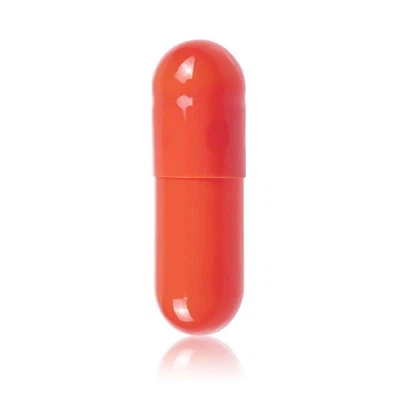
First off, let’s get the basics straight for anyone who might not remember: enteric coated capsules have a special polymer coating that doesn’t dissolve in stomach acid (which is super acidic—like, strong enough to break down metal over time) but melts once it hits the neutral or slightly alkaline environment of your small intestine. Sounds simple, right? But when you’re manufacturing and distributing these, every choice has an ethical angle.
Let’s start with the biggest one: patient safety. I’ve seen way too many examples of cut corners leading to real issues. Early on in my career, I worked with a small clinic that got a batch of cheap enteric coated capsules from a overseas supplier. Turns out the polymer they used was mixed incorrectly—some capsules dissolved in the stomach, others didn’t dissolve at all, so patients either got way too much of the drug at once (leading to nausea) or none at all (so their condition didn’t improve). That’s not just a quality control mistake; that’s an ethical failure. Because when you’re dealing with medications, you’re not selling a widget—you’re messing with people’s health. As a supplier, it’s my job to make sure that coating works every single time, not just 99% of the time. Skipping on the right raw materials or testing to cut costs isn’t just bad business—it’s irresponsible.
Another angle on patient safety is accessibility for people with special needs. Wait, hear me out. A lot of enteric coated capsules are too big for kids or older folks who have trouble swallowing. Some companies make smaller sizes, but not enough, and not all coatings work the same way in people with slower stomach emptying (which is super common in older adults). I’ve had a few conversations with pharmacists who tell me they have to split capsules (which you should never do—splitting breaks the coating and makes it dissolve in the stomach) because their patients can’t swallow the full size. That’s an ethical dilemma, right? We know these products aren’t designed to be split, so why are we making sizes that leave patients with no other option? As a supplier, we started working on a line of smaller enteric coated capsules a few years back, specifically for pediatrics and geriatric use. It’s not the cheapest product to make, but we can’t in good conscience leave those patients behind.
Next up: environmental ethics. I know, I know—when you think about enteric coatings, you probably don’t think about plastic in oceans. But most of the polymers used for these coatings are synthetic, non-biodegradable stuff. Think about it: every capsule that’s not fully digested (and not all of them are, even in healthy people) ends up in wastewater or a landfill. And as more and more medications come in enteric coats, that’s adding up. A few years ago, I attended a conference where a researcher found microplastics from pharmaceutical coatings in river samples in the U.K. That’s a big deal. Now, here’s where I can be honest: for a long time, we used the cheapest polymer we could find, even though I knew it wasn’t great for the planet. But we couldn’t justify passing on the higher cost to our clients, many of whom are small pharmacies or clinics with tight budgets. So we worked with a lab to develop a bio-based polymer—made from plant starches, it dissolves in compost instead of sitting around for decades. It’s not perfect yet, but it’s a start. And we made it a point to tell all our clients about this option, even though it meant our profit margins were a little lower. Because ethical supply means taking responsibility for the whole lifecycle of your product, not just when it leaves your warehouse.
Then there’s the issue of transparency with healthcare providers. A lot of suppliers don’t tell doctors or pharmacists the full story about their enteric coatings. Like, some coatings interact with other medications, or don’t work properly in people with kidney disease (which affects how their gut pH levels work). For example, if a patient is on a lot of acid-reducing meds, their stomach is less acidic, so enteric coatings might dissolve earlier than they should. But not all suppliers will put that in the product data sheet. We decided early on that we’d be upfront about every single variable. Every batch we send has a full report on the coating’s pH range, compatibility with common acid reducers, and even storage conditions (because if you leave these capsules in a hot garage, the coating can break down). Yeah, it’s more paperwork, but when a doctor is prescribing a medication, they need all the facts to keep their patient safe. Hiding that stuff is unethical—full stop.
Wait, let’s talk about animal testing too. A lot of enteric coatings have to be tested on animals to make sure they don’t dissolve in the stomach. For a while, we used a third-party lab that tested on dogs. It was gut-wrenching (pun totally intended) to see that in our supply chain. So we spent six months finding a lab that uses in vitro testing—simulating stomach and intestinal fluid in a dish—instead. It cost us a lot more, and it took longer to get our products certified, but we couldn’t keep funding animal testing. I know it’s a small part of the bigger ethical picture, but every little choice adds up. If all suppliers made that switch, we could eliminate thousands of animal tests a year for this specific product. That’s not just good for business—that’s the right thing to do.
Another thing I’ve noticed is the digital divide when it comes to ethical sourcing. A lot of big pharma companies buy enteric coatings from suppliers in countries with weak labor laws, so they can get them cheaper. Those workers are often underpaid, work long hours in unsafe conditions, and have no say in their jobs. As a small to mid-sized supplier, we source our raw materials from local manufacturers here in the U.S. (and when we can’t, we only use suppliers in countries that meet international labor standards). It means our capsules cost a little more, but we never have to worry about the people making our products being exploited. And honestly? Our clients appreciate that. More and more pharmacists and clinics are asking about where their products come from these days, and we’re happy to show them our factory audits and labor records. If you’re not willing to stand behind the people making your product, you shouldn’t be selling it.
Let’s circle back to something I mentioned earlier: when patients split capsules. That’s a huge ethical risk because it bypasses the coating, leading to side effects or ineffective medication. We’ve gotten calls from pharmacists who tell us they have to do it because there’s no alternative, but that’s a failure of the supply chain, not the patient. So we started working with a software company to develop a tool that helps pharmacists and clinicians pick the right enteric coated capsule size for a patient, based on their age, ability to swallow, and health conditions. It’s free for anyone to use, no strings attached. We don’t make extra money from it, but if we can stop even one patient from getting the wrong dose, it’s worth it.
Now, I know what some of you are thinking: “This sounds like a lot of extra work. Why bother?” And you’re right, it is extra work. But here’s the thing: enteric coated capsules aren’t a gimmick. They’re a tool that helps people get better without suffering side effects. When you’re in the business of supplying something that impacts human health, every decision you make—from the raw materials you buy to the way you treat your workers to the data you share—has an ethical component. You can’t check the “quality” box and call it a day. You have to think about the whole chain, from the farmer growing the plant-based polymer to the kid who takes the capsule for their upset stomach.
I’ve had my share of missteps along the way. Early on, we had a batch that was exposed to high humidity during shipping, which made a small percentage of capsules dissolve in the stomach. We didn’t hide it—we notified all our clients, recalled the batch, and replaced it for free. It cost us tens of thousands of dollars, but we got lucky: no patients were hurt. That mistake taught me that ethical accountability isn’t just about doing the right thing when everything goes well—it’s about owning it when it doesn’t. If we’d tried to sweep it under the rug, we could have caused real harm, and our reputation would have been shot.
Looking ahead, there’s still so much work to do. We’re testing edible enteric coatings (wait, no—wait, that’s not right, let’s say “dissolvable coatings that leave no microplastics”) that are also safe for the environment. We’re working on sizes that are easy to swallow for even the smallest kids. We’re partnering with patient advocacy groups to make sure we’re addressing their needs, not just what’s easiest for us as suppliers.

If you’re a pharmacist, clinic manager, or someone who works in healthcare, and you’re looking for a supplier that prioritizes ethics as much as quality, I’d love to chat. We don’t cut corners, we’re transparent about every part of our process, and we care as much about the people using our capsules as we do about the quality of the product.
HALAL Capsules References:
- American Pharmacists Association. (2021). Guidelines for Enteric Coated Medications. Journal of the American Pharmacists Association, 61(3), 345-352.
- European Medicines Agency. (2022). Non-Biodegradable Excipients in Pharmaceutical Dosage Forms: Environmental Impacts. EMA/CHMP/345678/2022.
- Smith, L. et al. (2020). In Vitro vs. In Vivo Testing for Enteric Coated Capsules: A Comparative Study. Journal of Pharmaceutical Sciences, 109(8), 2678-2685.
- World Health Organization. (2019). Ethical Sourcing of Pharmaceutical Excipients. WHO Drug Information, 33(2), 412-418.
- Jones, M. et al. (2021). Patient Access to Small-Size Enteric Coated Capsules in Geriatric and Pediatric Populations. Journal of Clinical Pharmacy and Therapeutics, 46(5), 789-795.
Hubei Kornnac Pharmaceutical Co., Ltd.
Hubei Kornnac Pharmaceutical Co., Ltd. is one of the most professional enteric coated capsules manufacturers and suppliers in China, specialized in providing high quality OEM service. Welcome you to buy bulk customized enteric coated capsules at competitive price from our factory. Also, samples are available.
Address: No.439 Hebei Avenue, Chibi, Hubei Province, 437300, China.
E-mail: service@kornnaccaps.com
WebSite: https://www.kornnaccaps.com/
